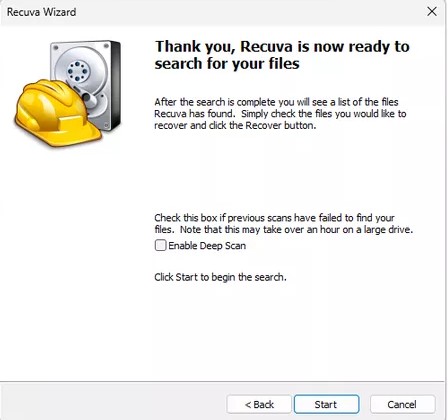
Quick scan vs. deep scan: choosing the right mode
When the file table still knows your files, quick mode is enough. When it does not, deep scan is the disciplined next step - here is how to decide without wasting hours.
Continue readingEditorial
Scan strategy, removable media discipline, SSD physics, staging rules, folder-structure restores, reading the results grid, verification after export, and the settings screens power users actually touch - written to extend the checklists with context snippets rarely include.
When the file table still knows your files, quick mode is enough. When it does not, deep scan is the disciplined next step - here is how to decide without wasting hours.
Continue reading
The OS begging to format is a signal, not a command. A stable USB reader and read-only patience often matter more than software settings.
Continue reading
Solid-state storage behaves differently from spinning disks. Understanding TRIM and idle optimization helps you interpret weak or missing results.
Continue reading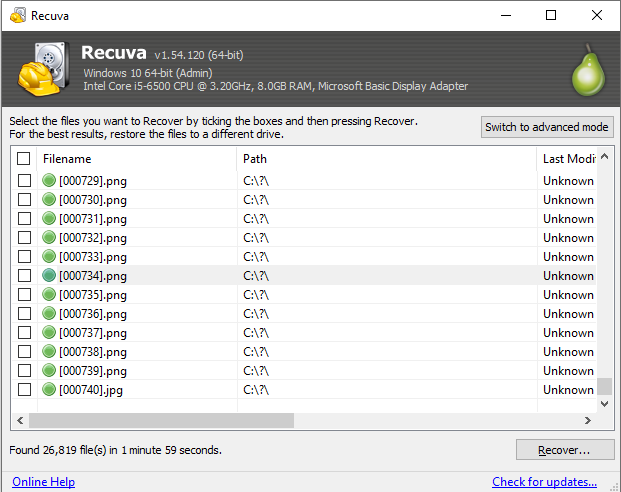
Why a second physical disk matters, how to pick a letter with headroom, and what goes wrong when exports share the same volume as the source.
Continue reading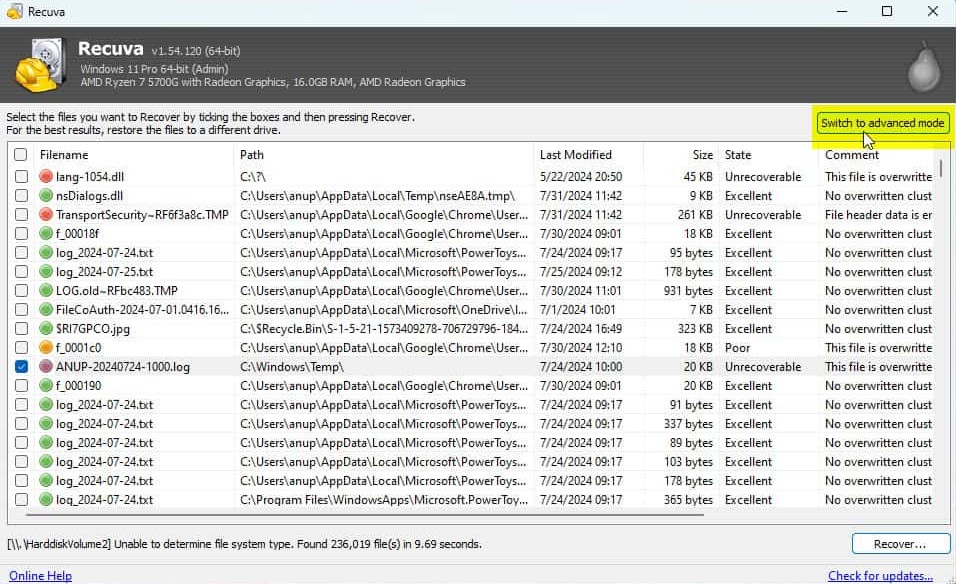
When the wizard is too broad, switching views lets you aim at one volume, prune noise, and keep deep scans from becoming all-night fishing trips.
Continue reading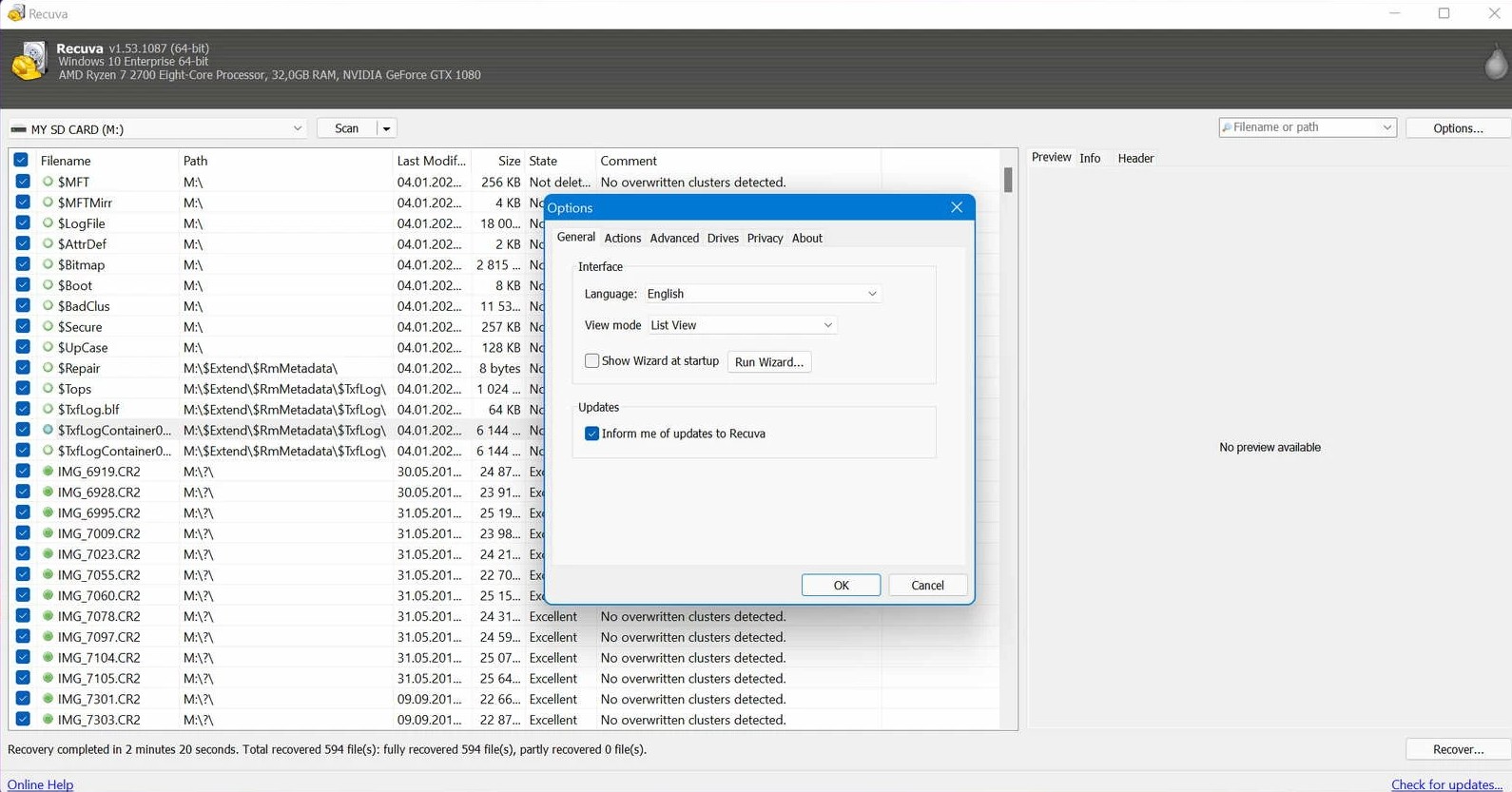
Options that matter for regulated desks: overwriting sensitive deletes, controlling update prompts, and when a USB copy beats running an installer on a locked-down host.
Continue reading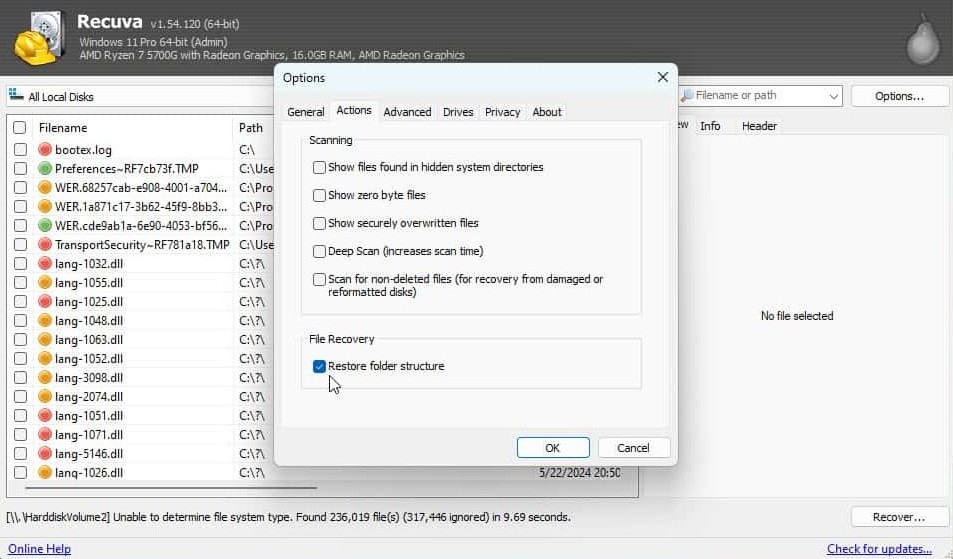
Flat dumps are fast to triage; original paths help when you are piecing projects back together or proving custody in a ticket.
Continue reading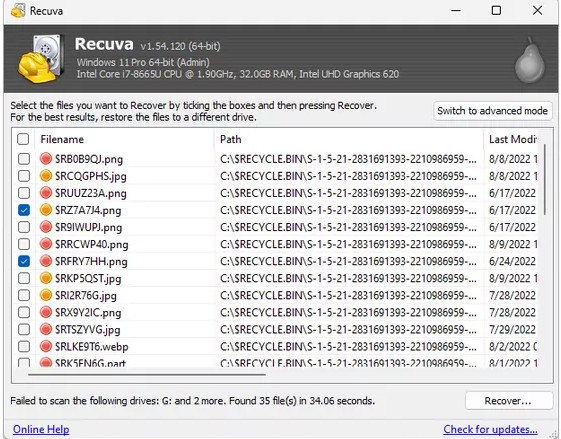
Condition columns are hints, not promises. Learn what to trust first, what to sample-test, and when a filename is a carved guess.
Continue reading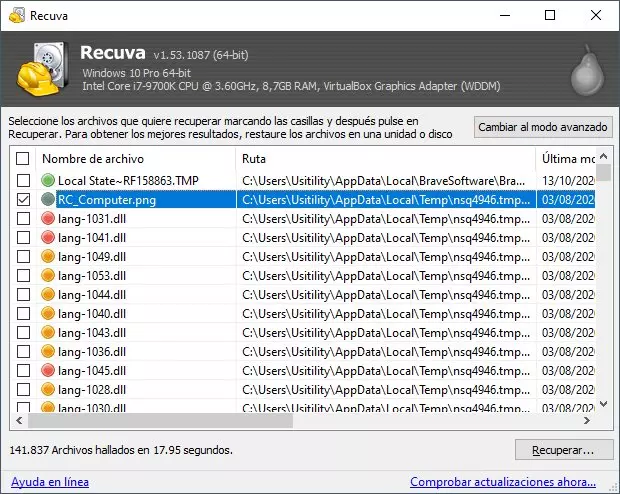
Closing the loop so the next person trusts your export: opens, checksums, and a short manifest beat "I think it worked."
Continue reading